The break from the boxy past of the Biturbo era demanded a completely new visual language. The task
was entrusted to Italdesign, led by the legendary Giorgetto Giugiaro, the man responsible for previous brand
masterpieces like the Ghibli (1967), the Bora, and the Merak.
The Exterior Sculpture
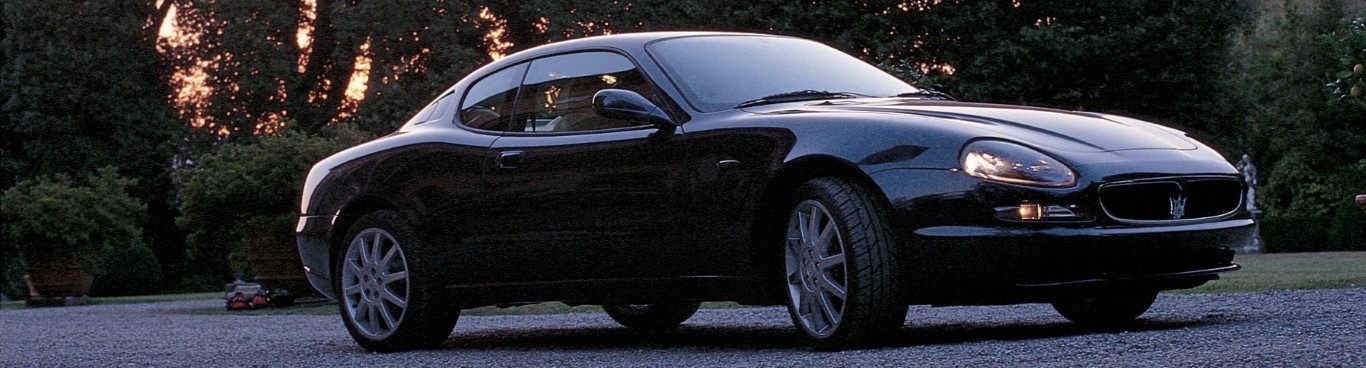
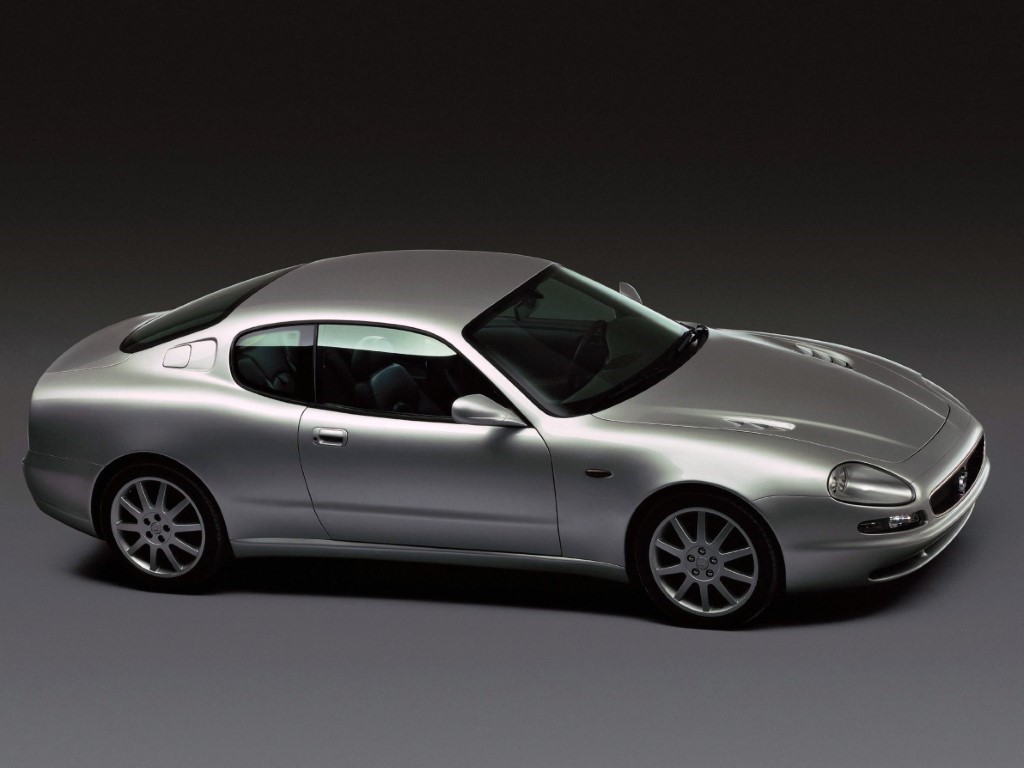
Giugiaro conceived the 3200 GT as a return to muscular elegance. The design is characterized by
voluptuous and organic curves, radically departing from the wedge lines and sharp edges that dominated the
70s and 80s. The side profile features a classic coupé silhouette, with a long, plunging hood, a set-back
cabin, and prominent rear haunches that emphasize the rear-wheel drive.
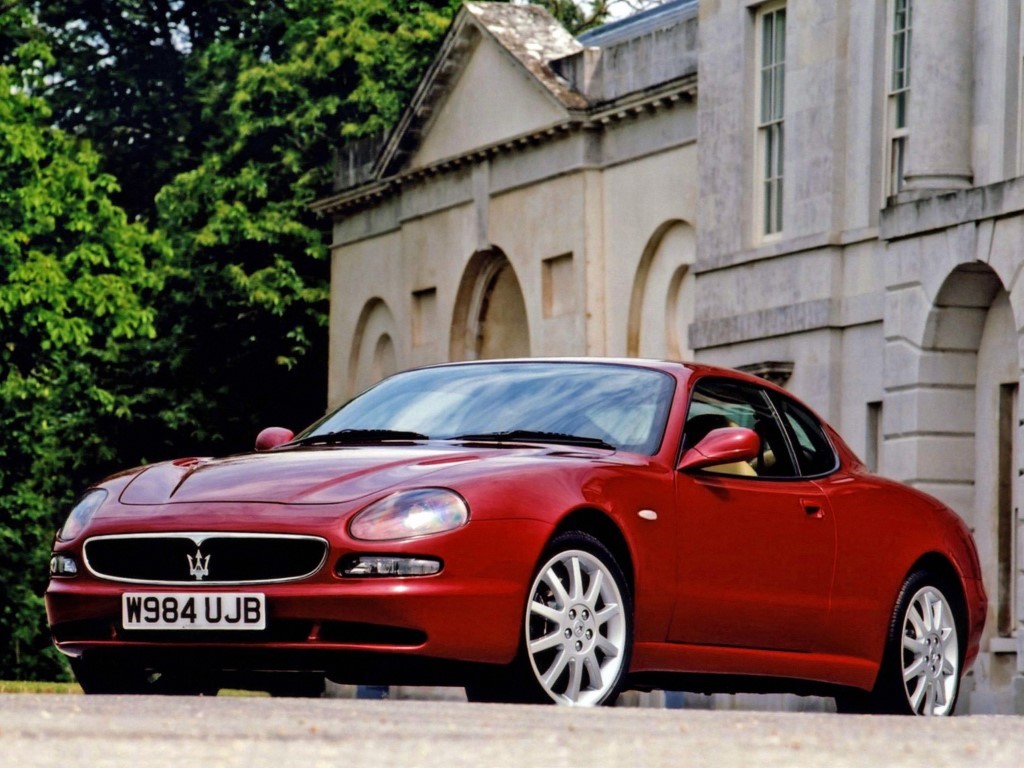
At 4,510 mm in length and 1,822 mm in width, the 3200 GT was significantly larger than the contemporary
Porsche 911 (996), offering a more substantial road presence. The oval front grille, with the floating
trident, directly evoked the Maserati racing cars of the 50s, establishing an immediate visual connection
with the brand's heritage.
The "Boomerang" Taillights: Innovation and Politics
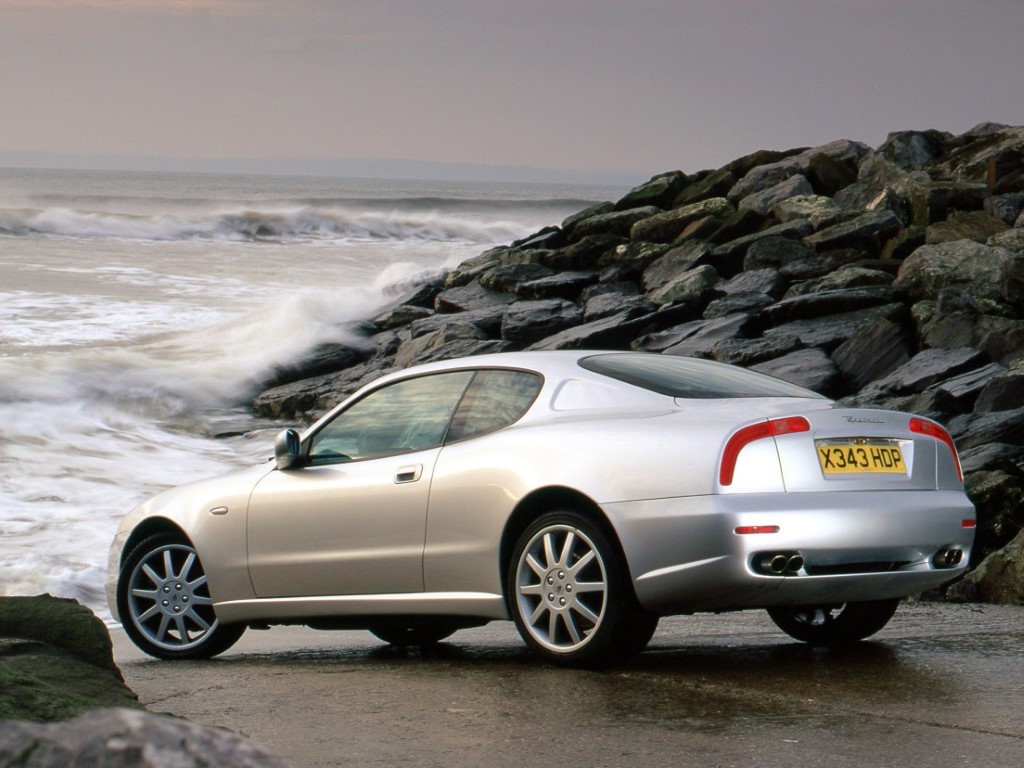
The most iconic, and subsequently most debated, design element of the 3200 GT are its taillights.
Giugiaro and Italdesign innovated by using, for the first time in a mass-produced car, LED (Light Emitting
Diode) technology for the tail and brake lights. This technology allowed the creation of a thin, curved, and
continuous shape — the "boomerang" — that followed the contour of the rear bodywork, something impossible
with the bulky incandescent bulbs of the time.
These lights were not merely functional; they were an artistic signature. However, their existence was
short-lived. When the 3200 GT evolved into the 4200 GT (Maserati Coupé) in 2002, the boomerang lights were
replaced by bulky and generic triangular units, frequently criticized for resembling those of ordinary
sedans.
The Conspiracy Theory and the Reality of Homologation
The official reason for the elimination of the boomerang lights frequently centered on the
regulations of the US Department of Transportation (DOT). It was argued that the illuminated surface area or
angular visibility did not meet federal requirements for Maserati's return to North America.
However, deeper investigations and testimonies from designers involved, such as Frank Stephenson (who oversaw
Ferrari/Maserati design at the time), suggest a different motivation. Stephenson reported that the decision
was directly driven by Luca di Montezemolo. In a meeting, Montezemolo allegedly expressed displeasure with
the lights, or perhaps, in a more cynical reading of corporate politics, saw in them too strong an element
of distinction that overshadowed Ferrari's visual identity. The replacement of the lights was, therefore,
both an aesthetic homogenization maneuver for the global market and an act of affirming hierarchy within the
group. The result is that the 3200 GT remains the only model to sport this feature, making it instantly
recognizable and more highly valued by purist collectors.
Interior Architecture
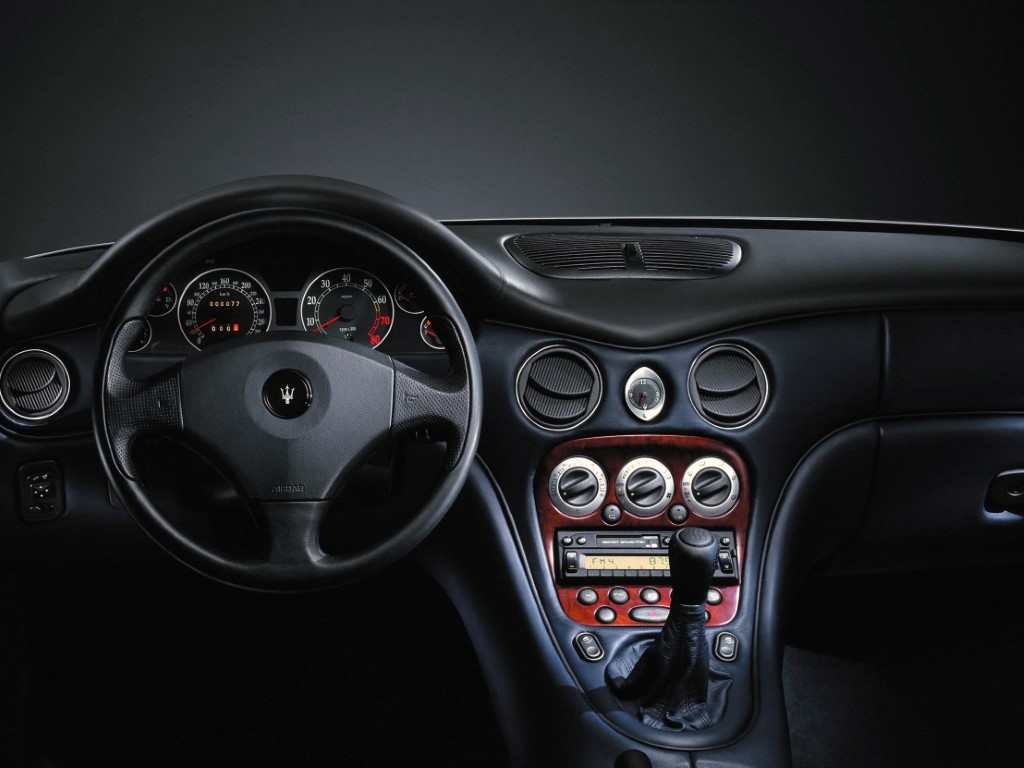
The interior of the 3200 GT, designed by Enrico Fumia (then at Lancia's Centro Stile, collaborating
with Maserati), was designed to offer an opulent luxury that contrasted with the Germanic austerity of its
rivals. The cabin was almost entirely clad in high-quality Connolly leather, including the dashboard, door
panels, and headliner.
The layout featured a "dual cockpit" design, subtly separating the driver from the passenger. The oval analog
clock in the center of the dashboard became a trademark of the "new" Maserati, symbolizing the fusion of
tradition and luxury. In terms of habitability, the 3200 GT vastly outperformed the Jaguar XKR and the
Porsche 911, offering two genuinely usable rear seats for adults on short or medium trips, thanks to a
generous wheelbase of 2,660 mm.